Posts by:

Jason Raunikar

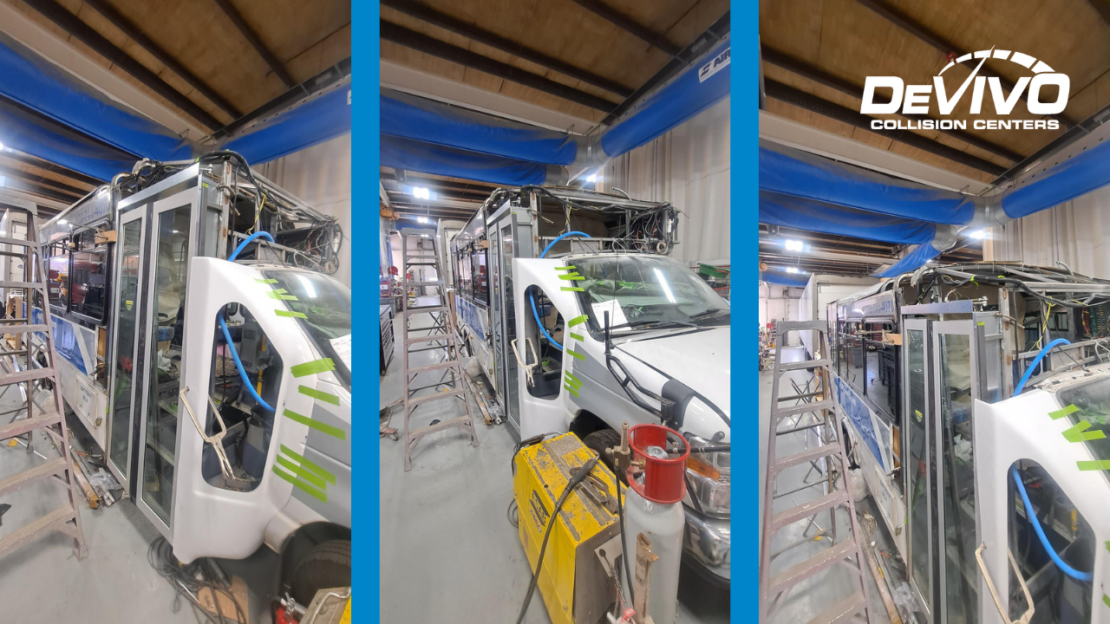
Box Truck & Commercial Fleet Collision Repair in Randolph, MA

When a work truck is out of service, every minute off the road impacts productivity, scheduling, and revenue. Whether you manage a single box truck or a larger commercial fleet, collision damage, from minor dents to major structural impact, needs precise, efficient repair from technicians who understand commercial vehicles.

At DeVivo Collision Centers in Randolph, we specialize in commercial fleet collision repair for trucks, box vans, delivery vehicles, and other heavy-duty work trucks, delivering professional-grade service that gets your vehicles back on the road quickly and safely.

Image

Why Commercial Trucks Need Specialized Collision Repair

Repairing commercial vehicles isn’t like fixing passenger cars. Trucks and fleets require:

  • Advanced structural and frame systems to handle large, heavy-duty chassis
  • Oversized paint and refinishing equipment for larger bodies
  • Expert technicians trained on commercial-grade vehicles
  • Insurance coordination for fleet accounts

Without these capabilities, a standard body shop may only address surface damage, not the deeper structural or safety-related issues that matter most to your business.

Comprehensive Collision Services in Randolph

Our Randolph facility offers a full suite of services designed for commercial fleets, delivery trucks, and box vans, including:

Structural & Frame Repair

Accurate frame straightening and restoration to ensure your truck maintains its integrity and handles correctly after a collision.

Body & Panel Work

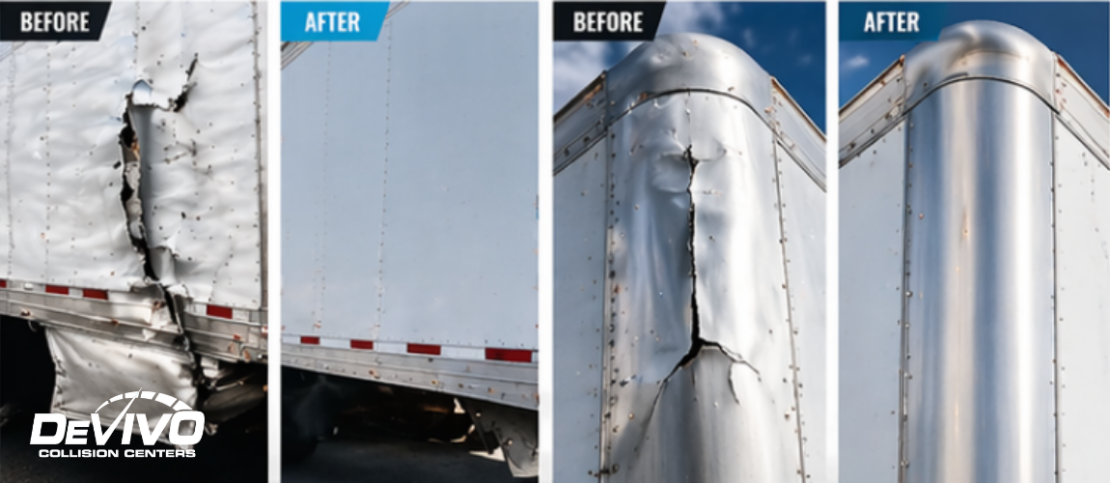
Panel replacement, dent repair, corner cap restoration, and comprehensive bodywork on doors, side panels, and cargo boxes.

OEM Paint Matching & Refinishing

Full refinishing and color matching to maintain professional branding and vehicle appearance.

Insurance Estimates & Coordination

We work directly with insurance carriers to streamline the claims process and reduce administrative burden.

Common Collisions We Repair

Commercial fleets experience a range of damage types, including:

  • Box truck body side damage from delivery site impacts
  • Cab corner and roof damage
  • Roll-up door and hardware repair
  • Front-end and rear collision impacts
  • Structural stress from load shifts or highway incidents

Every type of impact carries potential safety and operational concerns if not addressed by a collision partner with the right equipment and expertise.

Our Process: Designed for Commercial Fleets

  1. Damage Assessment & Estimate — Thorough inspection and detailed estimate.
  2. Insurance Coordination — We liaise with adjusters for approvals.
  3. Repair & Restoration — Structural, body, and paint work performed by trained technicians.
  4. Final Safety Check — We confirm vehicles meet performance and safety standards before release.

This structured process reduces downtime and ensures your trucks are restored right the first time.

Serving Greater Boston & South Shore Businesses

Conveniently located in Randolph, MA, our collision center supports fleet clients throughout:

  • Boston South Shore
  • Quincy
  • Braintree
  • Brockton
  • Milton and surrounding industrial zones

Proximity to major highways like I‑93, Route 24, and Route 128 makes drop-off and pick-up efficient for busy fleet operations.

Frequently Asked Questions

What types of commercial vehicles do you repair?

We handle box trucks, delivery vans, heavy-duty trucks, fleet vehicles, charter buses, and more.

Do you help with insurance claims?

Yes, our team works directly with carriers to streamline the claims process.

How long does repair take?

Timelines vary based on damage severity, but we provide clear estimates and communication throughout the process.

Get Your Fleet Back on the Road

If a box truck or commercial vehicle in your fleet has been damaged, you need a collision partner that understands your business and its urgency.

Need Commercial Vehicle Repair?

Fast turnaround. Certified technicians. Two convenient locations.

Middletown, CT
(860) 613-2868 Email Us
131 Tuttle Road
Give Us a Call
Randolph, MA
(781) 986-8305 Email Us
86 York Avenue
Give Us a Call
By 0 Comments

Private School Bus Fleet Management: Collision Repair for Independent Schools

Managing transportation for a private or independent school comes with high expectations. Every bus matters, and a collision can disrupt student schedules, campus operations, and safety.

At DeVivo Collision Centers in Middletown, we specialize in collision repair for private school bus fleets, delivering premium service, precise repairs, and fast turnaround so your  buses are back in service safely and efficiently

Image

Why Private School Buses Require Specialized Collision Repair

Private and independent school fleets have unique needs:

  • Structural integrity and frame safety are paramount for student passengers
  • Compliance with DOT and inspection standards is non-negotiable
  • OEM-quality paint ensures the fleet maintains a professional appearance
  • Minimized downtime is critical for campus operations and scheduling

With our fleet-focused approach, we ensure your buses are restored safely, quickly, and with meticulous attention to detail.

Our Middletown Fleet Services

Our facility offers a full suite of services designed for private school bus fleets:

  • Structural & frame repair — ensuring buses meet safety standards
  • Body and panel restoration — addressing everything from minor dents to collision damage
  • OEM paint matching — maintaining fleet branding and appearance
  • Insurance coordination — we work directly with carriers to simplify claims
  • Fleet-focused communication — keeping administrators updated on repair timelines

Each step is designed to minimize disruption to campus schedules while ensuring the highest quality repairs.

How Our Process Keeps Your Fleet Running

  1. Initial assessment — Document damage and provide clear repair estimates
  2. Insurance coordination — Streamline adjuster communication and approvals
  3. Precision repair & restoration — Structural, body, and paint work
  4. Final safety inspection — Return buses to service only when fully compliant and safe

Our goal is to keep your private school buses safe and operational with minimal downtime.

Why Choose DeVivo Middletown for Private School Fleets

  • Experienced with full-size buses and fleet vehicles
  • Fast, reliable turnaround without sacrificing quality
  • Dedicated team handling insurance claims and communication
  • Local expertise serving prep schools and private campuses in Connecticut

Whether your fleet is a single bus or dozens, we provide concierge-level service that matches the expectations of private school administrators.

Service Area

We proudly serve private and independent school fleets throughout:

  • Middletown, CT
  • Hartford County
  • New Haven County
  • Eastern Connecticut
  • Rhode Island fleets operating in the region

No matter where your buses travel, we’re ready to get them back on the road.

Frequently Asked Questions

How long does repair take for private school buses?

Timelines vary by damage, but we provide accurate estimates and frequent updates to minimize campus disruption.

Do you work directly with insurance carriers?

Yes, our team coordinates claims from start to finish.

Can you match the fleet’s paint and branding?

Absolutely, OEM-quality paint ensures your buses look professional and consistent.

Get Your Private School Fleet Back in Service

If a bus in your private or independent school fleet needs collision repair, let our Middletown team handle it efficiently and safely.

Need Commercial Vehicle Repair?

Fast turnaround. Certified technicians. Two convenient locations.

Middletown, CT
(860) 613-2868 Email Us
131 Tuttle Road
Give Us a Call
Randolph, MA
(781) 986-8305 Email Us
86 York Avenue
Give Us a Call

DeVivo Collision Centers. Premium collision repair for private and independent school bus fleets in Connecticut.

By 0 Comments

Offering Commercial Vehicle Alignment in Connecticut

For fleet operators and commercial vehicle owners, from delivery vans to box trucks, buses, and work trucks, wheel alignment is essential for safety, compliance, cost savings, and long-term fleet reliability. At DeVivo Collision Centers in Middletown, CT, we offer professional commercial vehicle alignment to keep your fleet running straight and smooth.

Image

Why Alignment Matters for Commercial Vehicles

Proper wheel alignment ensures that all four wheels point in the precise directions specified by the manufacturer. Misalignment can have costly effects on commercial vehicles:

1. Extended Tire Life

Misaligned wheels cause uneven tire wear and can reduce tire life by up to 20-25%.

2. Better Fuel Efficiency

Misalignment increases rolling resistance, reducing fuel efficiency by 1-3% or more across a fleet.

3. Enhanced Safety & Handling

Misaligned vehicles can pull to one side, vibrate, or handle unpredictably. These are serious safety risks for heavy or loaded commercial vehicles. And can lead to serious accidents that could have you coming right back to us.

Signs Your Vehicle Needs Alignment

Fleet drivers and maintenance teams should look for:

  • Uneven tire wear
  • Vehicle pulling to one side
  • Steering wheel off-center
  • Vibrations at highway speeds
  • Decreased fuel efficiency

How Collision Damage Affects Alignment

Even minor accidents, pothole hits, or curb impacts can knock wheels out of alignment, sometimes without visible damage. Alignment is critical for: 

  • Restoring safe handling
  • Preventing uneven tire wear
  • Ensuring vehicles meet inspection standards

Post-Repair Alignment Requirements

After collision repair, especially if suspension, steering, or frame work was done, a commercial alignment should be performed before returning the vehicle to service.

Connecticut & Massachusetts Inspection Standards

  • Connecticut: Commercial vehicles subject to DOT standards must pass periodic inspections. Misalignment affecting steering, tires, or suspension can lead to inspection failures.
  • Massachusetts: While Randolph, MA doesn’t currently have commercial alignment services, vehicles operating there must meet similar inspection standards. Fleet owners can send those vehicles to Middletown, CT for alignment.

Alignment vs Frame Straightening

  • Alignment: Corrects wheel angles relative to each other and the road.
  • Frame Straightening: Restores the vehicle’s structural geometry after an impact.

Both may be required after collisions. Misalignment without proper frame repair can cause recurring problems.

Impact on Fleet Costs

Neglecting alignment can increase fleet operating costs due to: 

  • Premature tire replacement
  • Higher fuel consumption
  • Extra suspension maintenance

Even minor misalignment can reduce tire life by 50% and fuel economy by 5-10%, which adds up fast for commercial fleets.

Specialized Equipment & Expertise

Commercial vehicles vary widely. Buses, delivery vans, box trucks, and utility vehicles all require heavy-duty alignment racks, computer systems, and trained technicians. Not every shop can align commercial vehicles properly.

DeVivo Collision Centers in Middletown, CT is equipped with specialized commercial alignment equipment from Hunter to handle your fleet safely and accurately.

Why Not All Shops Can Align Commercial Vehicles 

Passenger vehicle alignment equipment is not designed for heavy-duty frames or multi-axle setups. Many collision shops cannot perform commercial alignments, but DeVivo invests in the right tools and technician training to get it done correctly. 

Commercial vehicle alignment is essential for safety, compliance, and cost efficiency. Collision alignment protects tire life, fuel efficiency, handling, and inspection readiness.

At DeVivo Collision Centers in Middletown, CT, our commercial alignment services ensure your buses, box trucks, delivery vans, and utility vehicles are properly aligned, safe, and efficient, keeping your fleet on the road and your costs under control.

By 0 Comments

Understanding Commercial Vehicle Collision Repair Costs

When commercial vehicles are involved in collisions, the financial impact extends far beyond the initial repair estimate. For fleet managers and business owners, understanding the true scope of collision repair costs is essential for budgeting, maintaining operational efficiency, and making strategic decisions that protect both your assets and your bottom line. 

The commercial vehicle repair landscape has grown increasingly complex. Modern trucks incorporate sophisticated safety systems, specialized materials, and technology that fundamentally changes how collision repairs are approached and priced. 

Image

The Hidden Reality of Commercial Collision Repair Costs

Unlike passenger vehicle repairs, commercial vehicle collision damage carries unique cost implications that aren’t always apparent in initial estimates. The true financial impact encompasses immediate repair expenses, operational downtime, insurance considerations, and potential long-term consequences of repair quality decisions. 

According to the American Transportation Research Institute (ATRI), repair and maintenance costs reached $0.202 per mile in 2023, which is a 3.1% increase from the previous year. When collision damage occurs, these costs can spike dramatically depending on severity and the repair approach selected. 

The True Cost of Cutting Corners

When facing collision damage, the temptation to minimize immediate expenses by choosing the lowest or cutting corners on repair quality can be strong. However, this approach often creates larger problems and expenses down the road. 

Incomplete Repairs and Safety Risks

Substandard collision repairs may not properly restore structural integrity, leaving vehicles compromised in subsequent accidents. Improperly repaired frame damage or poorly executed panel replacements can affect handling characteristics, create alignment issues, and potentially void manufacturer warranties or insurance coverage. 

Recurring Problems and Additional Repairs

Low-quality parts or improper repairs frequently lead to premature failure, requiring additional service visits that compound costs through repeated downtime and repair expenses. What initially seemed like savings becomes an expensive cycle of ongoing problems.

Insurance and Liability Implications

Commercial vehicle operators face significant liability exposure when vehicles are involved in accidents. If it’s determined that prior repairs were inadequate and contributed to an accident or its severity, the resulting legal and insurance consequences can far exceed any initial savings from cheaper repairs.

Operational Downtime Costs

Unplanned downtime costs fleets an average of $760 per hour in lost productivity, overtime, and delivery delays. When poor-quality repairs lead to breakdowns or require rework, the cumulative downtime can devastate operational schedules and customer relationships.

Understanding the Components of Quality Repairs

Legitimate commercial vehicle collision repair costs reflect the resources and expertise required to restore vehicles properly:

Labor Considerations

Commercial vehicle labor rates vary based on technician expertise, facility capabilities, and regional factors. Certified technicians with specialized training command higher rates, but their expertise often translates to more accurate diagnostics, efficient repairs, and better outcomes that prevent costly comebacks.

The complexity of modern commercial vehicles means repair times have increased. Repair times for heavy-duty vehicles have increased 18-40% since 2023 due to supply chain disruptions and increased vehicle complexity. Extended repair times directly impact labor costs, but they also reflect the thoroughness required for proper repairs.

Parts Quality and Availability

Original Equipment Manufacturer (OEM) parts, aftermarket alternatives, and salvaged components each present different cost and quality trade-offs. OEM parts ensure proper fit and function, maintaining manufacturer warranties and meeting insurance requirements. Aftermarket parts may offer cost savings but can vary in quality and longevity.

Parts lead times are 22% longer than pre-pandemic averages, affecting repair timelines and potentially requiring premium pricing for expedited delivery when operational needs are urgent. Part availability challenges force fleet managers to balance cost considerations against downtime implications.

Finishing and Paint Work

Commercial vehicles often display company branding and require professional appearance standards. Quality paint work demands proper surface preparation, premium materials, and controlled application environments. Color matching for partial repairs requires expertise to blend seamlessly with existing finishes, maintaining brand presentation and vehicle value.

Insurance Coordination for Commercial Repairs

Commercial vehicle insurance policies differ significantly from personal auto coverage, affecting how collision repairs are approached and funded:

Coverage Differences

Commercial policies typically feature higher deductibles, reflecting the greater vehicle values and operational risks. Understanding your specific policy terms, including coverage limits and deductible requirements, helps you anticipate out-of-pocket expenses.

Claims Documentation Requirements

Insurance carriers require detailed documentation of collision damage and repair work. Working with repair facilities experienced in commercial claims streamlines this process and helps ensure proper claim handling and reimbursement. 

Repair Facility Selection

While insurance companies may recommend preferred repair facilities, commercial vehicle owners generally have the right to choose their repair provider. Selecting shops with demonstrated commercial vehicle expertise often produces better outcomes than defaulting to insurance-preferred facilities lacking appropriate capabilities. 

Making Strategic Repair Decisions

When collision damage occurs, several factors should guide your repair decisions:

Assessing Damage Severity

The extent of damage significantly influences the appropriate repair approach. Minor cosmetic damage may justify simpler repairs, while structural compromise demands comprehensive restoration to ensure safety and longevity. 

Evaluating Facility Capabilities

Not all body shops possess the equipment, expertise, and capacity to handle commercial vehicles properly. Verify that potential repair facilities have relevant experience, appropriate certifications, adequate resources before committing to repairs. DeVivo Collision Centers has just that. The equipment. The expertise. The capacity. Commercial vehicles aren’t just one of the vehicles we work on. They’re the only vehicles we work on.

Balancing Cost and Quality

While controlling cost matters for business operations, the lowest estimate rarely represents the best value. Consider the total cost of ownership, including potential rework, extended downtime, and safety implications when evaluating repair options. 

Timing Considerations

For damage that doesn’t impair vehicle operation, scheduling repairs during slower operational periods may minimize business disruption. However, structural damage should never be deferred, as deterioration over time typically increases eventual repair costs and creates safety hazards.

Understanding commercial vehicle collision repair costs requires looking beyond simple price comparisons to consider the full scope of factors that influence both immediate expenses and long-term outcomes. Quality repairs performed by qualified technicians using appropriate parts and processes represent an investment in fleet safety, operational reliability, and business success.

When collision damage occurs, taking time to understand your options, evaluate repair facilities carefully, and make informed decisions based on long-term value rather than simply initial cost produces better outcomes for your vehicles, your business, and your bottom line.

By 0 Comments

Winter Fleet Accidents: How Fast, Expert Repairs Protect Your Business

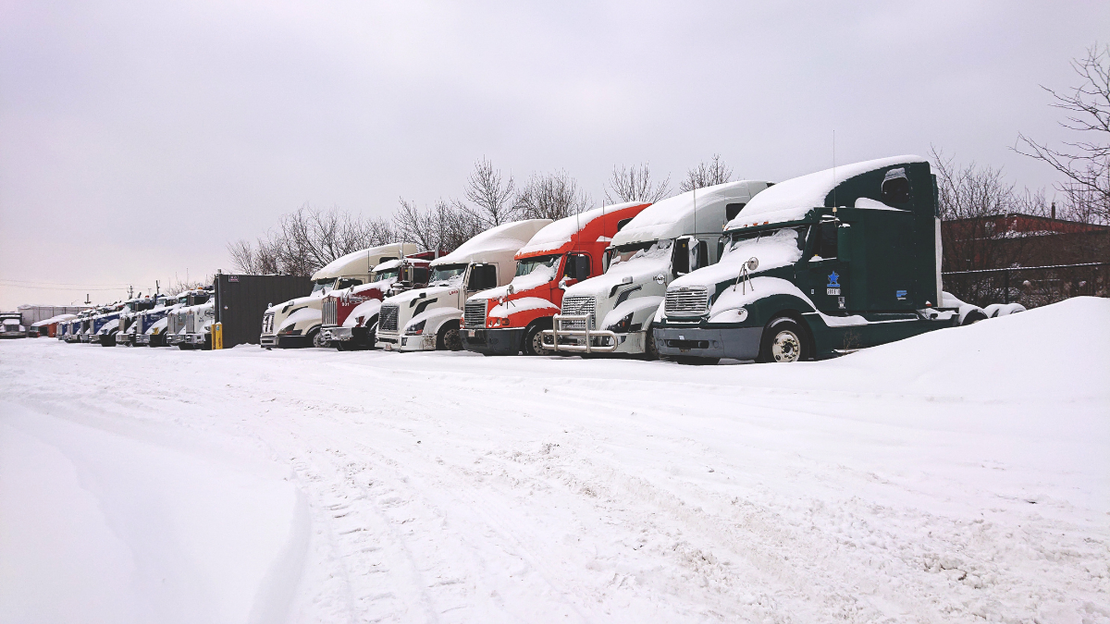
When winter storms hit, commercial fleets face more than just slippery roads. They also face risk, downtime, and hidden damage that can disrupt operations. According to the Federal Highway Administration, each year, approximately 12% of all motor vehicle crashes are weather-related, with snow, ice, and freezing rain creating particularly hazardous conditions for commercial fleets. 

At DeVivo Collision Centers, we understand that commercial truck collision repair is about more than restoring vehicles, it’s also about keeping your business moving without costly interruptions. 

slushy road with tire tracks on it, major hazard for vehicles, particularly commercial ones

Hidden Damage Risks in Commercial Vehicles

The average annual vehicle miles traveled for a semi-truck is 62,169 according to the Department of Energy. That extra mileage increases exposure to accidents, especially in winter. Even minor-looking collisions can cause hidden structural damage, such as: 

  • Frame misalignment or chassis issues
  • Suspension and axle problems
  • Malfunctioning safety systems like airbags or ABS

Ignoring these issues can lead to longer downtime, higher repair costs, and safety risks. That’s why fleet collision repair services that combine speed with thorough inspection are essential for protecting your business and your drivers.

Minimizing Fleet Downtime

Downtime is a silent cost after a fleet accident. Fleets now average 8.7 days of unplanned downtime per vehicle annually. Every day a truck is out of service means missed deliveries, delayed service calls, and increased operational costs. 

Fast, professional commercial fleet service keeps your vehicles running, while ensuring: 

  • Reduced disruption to schedules
  • Lower replacement vehicle costs
  • Efficient insurance claims processing

DeVivo Collision Centers specializes in fleet body repair and commercial fleet maintenance, designed to get your fleet back on the road safely and quickly. 

Safety and Liability Protection

Winter accidents can have serious safety and legal consequences. Thousands of people are injured each year in commercial truck collisions, and proper repair is a matter of compliance and liability. 

At DeVivo Collision Centers, our repair process:

  • Restores vehicles to certified commercial truck repair standards
  • Ensures fleet vehicle safety and roadworthiness
  • Reduces potential legal and insurance issues

Keeping your fleet in top condition demonstrates professionalism and responsibility to both your clients and employees.

Choosing the Right Commercial Collision Center

When searching for truck collision repair near me, fleet managers need a partner who understands both vehicles and business operations. Look for a center that offers: 

  1. Comprehensive repair services: frame, dent, paint, and mechanical systems
  2. Fleet-focused solutions: maintenance contracts, emergency repair, and fast turnarounds
  3. Local expertise: a shop near your fleet for quick service
  4. Transparent cost estimates: minimizing surprises and helping you plan

DeVivo Collision Centers delivers all of this with a focus on minimizing downtime and maximizing safety, making us the trusted choice for commercial fleets. We have locations in Middletown, CT and Randolph, MA

Protect Your Fleet, Protect Your Business

Winter accidents are unpredictable, but your response doesn’t have to be. By choosing a certified commercial collision center like DeVivo Collision Centers, you gain:

  • Rapid, reliable repairs
  • Reduced fleet downtime
  • Certified safety and liability protection
  • Long-term operational savings

When your fleet experiences a winter accident, every minute counts. Contact DeVivo today for fast, professional commercial truck and fleet collision repair. Your fleet, and your business, can’t afford delays.

FAQ

Q: What types of damage are most common in winter fleet accidents?

A: Winter collisions can cause a range of issues beyond visible dents and scratches. Common problems include frame or chassis misalignment, suspension wear, paint and body panel damage, and hidden mechanical or safety system issues. Thorough inspections during fleet collision repair help ensure all damage is addressed.

Q: Why is professional commercial vehicle accident repair important for fleets?

A: Professional repairs protect both the vehicle and your business. Certified technicians can identify hidden structural or mechanical damage, restore vehicles to proper safety standards, and help maintain fleet reliability. Choosing a reputable commercial truck collision repair provider supports long-term fleet performance and safety.

Q: How can fleets reduce the risk of winter accidents?

A: Fleets can take proactive steps to minimize winter accident risks, including proper tire maintenance, driver training for slippery conditions, regular vehicle inspections, and implementing safety protocols for icy or snowy roads. These measures complement professional commercial fleet repair services by keeping vehicles safer and operational.

By 0 Comments

Heavy-Duty Truck Collision Repair in Massachusetts 

When a commercial truck or fleet vehicle is involved in an accident, every hour of downtime matters. Whether you manage delivery trucks, construction haulers, or tractor trailers, getting back on the road quickly and safely depends on choosing the right collision repair partner. 

In Eastern Massachusetts, where routes like I-93, I-95, and Route 24 keep the region moving, heavy-duty truck repair demands a level of precision and scale that most body shops can’t deliver. 

white box truck with a missing roof and damaged side in need of collision repair

Why Heavy-Duty Truck Repair Requires Specialized Equipment 

Truck collision repair goes far beyond surface fixes. A bent frame, damaged suspension, or compromised weld can turn into a serious safety hazard if not handled correctly. 

Key differences between truck and passenger vehicle repairs: 

  • Frame straightening systems – Heavy-duty trucks require full-length frame machines that can handle vehicles exceeding 40 feet and tens of thousands of pounds. 
  • High-capacity paint booths – Oversized vehicles can’t fit in standard spray booths. Facilities need full downdraft systems designed for large vehicles. 
  • Specialized materials and coatings – Commercial paints and finishes resist corrosion and environmental exposure far better than consumer-grade coatings. 

Common Types of Heavy-Duty Truck Damage We Repair 

Understanding the types of damage your fleet may experience can help you plan for repairs and avoid extended downtime. Our Randolph facility regularly addresses: 

  • Collision damage – From minor fender dents to major front-end impacts on box trucks and tractor trailers. 
  • Frame and chassis damage – Bent or twisted frames from accidents or heavy loads, requiring precision straightening equipment. 
  • Suspension and axle issues  – Misalignment, broken leaf springs, or damaged air ride systems that affect drivability and safety. 
  • Body and panel damage – Dents, scratches, and metal fatigue on cargo boxes, cabs, and sleeper units. 
  • Paint and finish restoration – Matching factory-grade coatings to ensure durability and professional appearance. 
  • Trailer and attachment repair – Repairing lift gates, dump beds, and other components for commercial use. 

How to Choose a Truck Collision Repair Shop in Eastern Massachusetts 

When evaluating your options, focus on the following: 

  • Facility capabilities: Can they handle vehicles your size? 
  • Turnaround time: Do they prioritize commercial fleets? 
  • Location: Proximity to major trucking routes like Route 24, I-93, and Route 3 can reduce transport costs. 
  • Reputation: Check for established experience with municipal, construction, and freight fleets. 

If you’re based near Randolph, Quincy, Brockton, or the South Shore, choose a shop with proven experience in heavy-duty and fleet work, not just standard auto repair. 

Where to Find Truck Collision Repair in Eastern Massachusetts 

Truck operators in Randolph, Quincy, Brockton, Weymouth, Milton, and along I-93 benefit from having one of the region’s few large-scale commercial vehicle collision centers nearby. Facilities like these are equipped with: 

  • Full-length frame straightening systems 
  • Large downdraft paint booths 
  • Heavy-duty lifts and alignment racks 
  • Certified technicians experienced in commercial and municipal fleets 

When every mile and minute matters, partnering with a specialized commercial collision center ensures your trucks get back on the road, safely and quickly

Benefits of Choosing a Local Commercial Collision Center 

Opting for a collision center local to your fleet has several advantages: 

  • Faster turnaround: Reduced travel time for trucks and parts helps vehicles get back on the road sooner. 
  • Personalized service: Local centers understand regional traffic patterns, regulations, and fleet needs. 
  • Reliable communication: Proximity allows for direct, in-person updates and inspections. 
  • Emergency support: Local centers can offer same-day towing or mobile repair services when time is critical. 
  • Community trust: Working with a reputable local business often results in better accountability and long-term partnerships. 

By choosing a collision center near Randolph or Boston, fleet managers reduce downtime, minimize transportation logistics, and ensure quality repairs handled by experts familiar with heavy-duty commercial vehicles. 

FAQ 

Q: What types of heavy-duty trucks do you repair? 

A: We handle all makes and models of heavy-duty trucks, including Peterbilt, Freightliner, Kenworth, International, Mack, and Volvo. Our Middletown and Randolph facilities also service box trucks, dump trucks, and fleet vehicles across New England. 

Q: How long does a truck collision repair take? 

A: Minor repairs or cosmetic work can be completed within a few days. Structural, frame, or component replacements typically can take weeks or longer depending on parts availability. 

Q: Can a frame on a semi or box truck be straightened? 

A: Yes, provided the repair shop has a frame straightening system rated for heavy-duty vehicles and technicians trained in structural restoration. Our Randolph and Middletown locations have one. 

Q: What’s the difference between a body shop and a collision center? 

A: A general body shop handles cosmetic repairs. A collision center, especially one equipped for trucks, manages both structural and mechanical restoration, ensuring full roadworthiness. 

Q: How can I reduce downtime after an accident? 

A: Choose a facility that offers towing, estimates, and parts ordering under one roof, so repairs start immediately after insurance approval. 

By 0 Comments